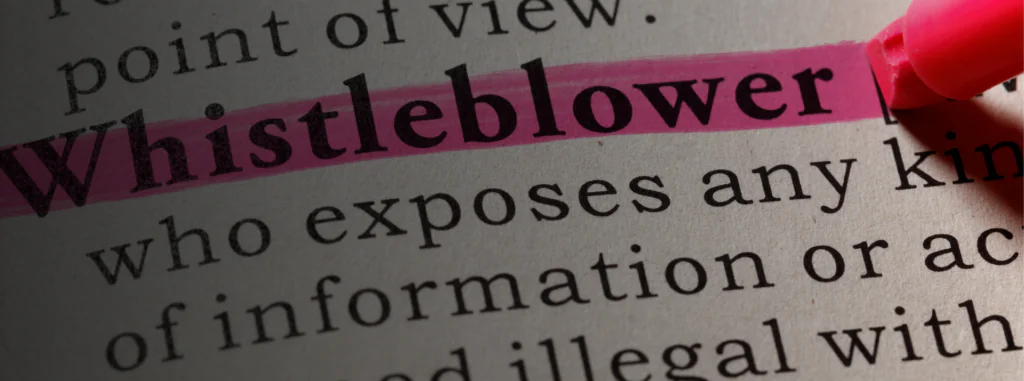
From 6th April 2026, whistleblowing protections for sexual harassment will be introduced, whereby sexual harassment will be classified as a “qualifying disclosure” under whistleblowing law.
Under existing UK whistleblowing law, workers are protected when they make a “qualifying disclosure” about certain types of wrongdoing in the Public interest (e.g. criminal offences, health and safety risks).
Sexual harassment can already fall within whistleblowing law, but only indirectly—for example where it amounts to a criminal offence or creates a health and safety risk. This has historically created uncertainty for both employees and employers.
Where a disclosure qualifies, employees are protected from:
From 6 April 2026, under the Employment Rights Act 2025:
This removes ambiguity and significantly strengthens legal protection for those who speak up.
This reform sits alongside broader developments:
Employees may be more likely to report concerns formally as whistleblowers, rather than through informal or HR channels, potentially leading to higher reporting rates.
Additionally, there is likely to be a higher legal risk if claims for automatic unfair dismissal increase where whistleblowing is mishandled. There is also likely to be greater scrutiny of how complaints are investigated and managed
To ensure compliance and reduce risk, employers should:
1. Update policies
2. Train managers and HR
3. Strengthen reporting channels
4. Review investigation processes
5. Audit workplace culture and risks
To find out more information or to discuss whistleblowing protections for sexual harassment, get in contact with our team of experts.
T: 0330 107 1037
LinkedIn: High Performance Consultancy